Modelling
E-commerce modelling: product shoots, casting and preparation
Shooting for online stores: what brands look for, how to prepare, a posing routine and usage rights.
By CastLyra · · 6 min read
E-commerce modelling is appearing in the photographs and short clips that help customers judge a product on an online store. The model's job is to make fit, shape and construction easy to understand. A successful product image answers a shopping question: where does the sleeve finish, how does the jacket close, or what does the back look like?
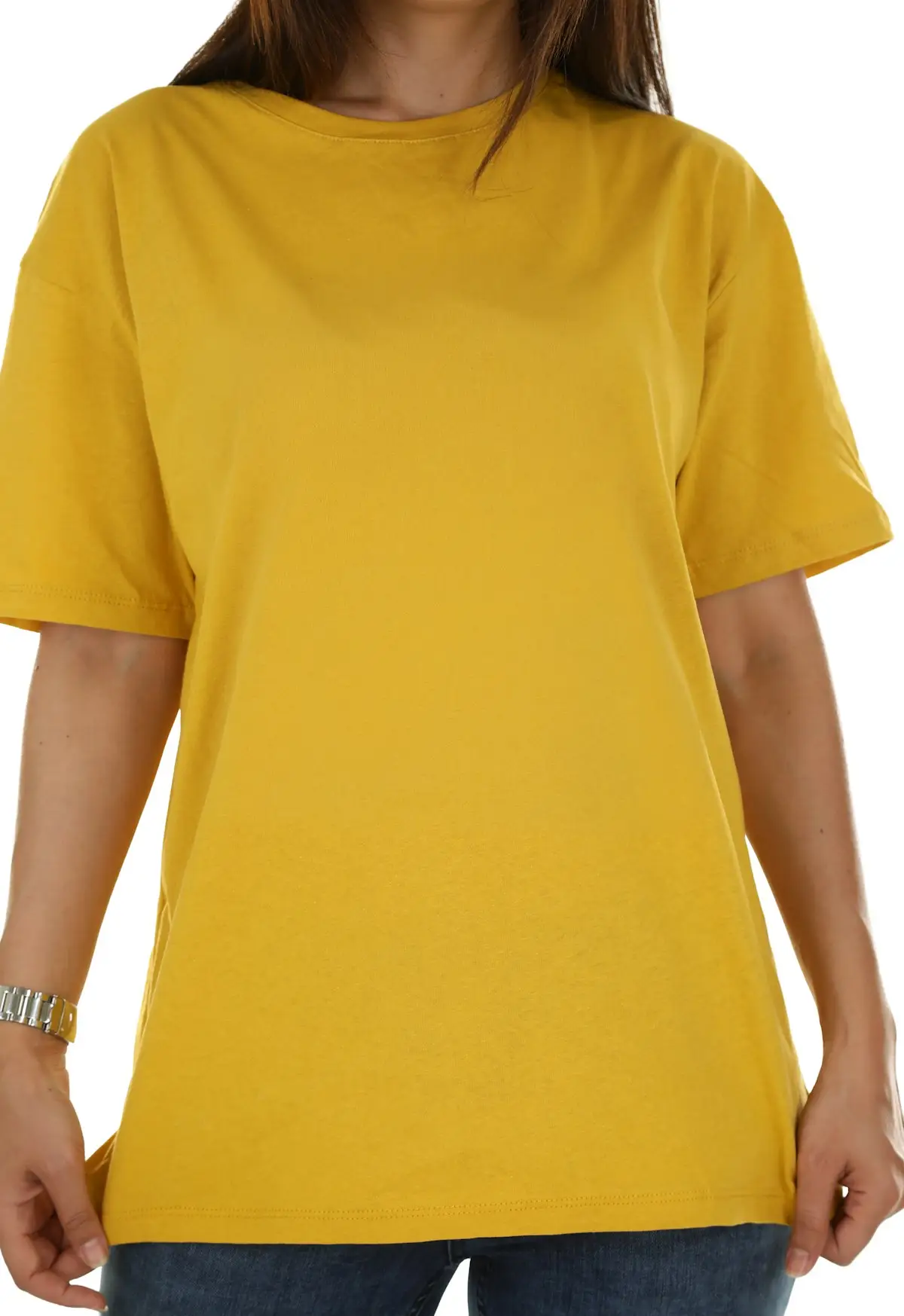
This guide is for adult models preparing for product shoots and brands planning their first casting. CastLyra accepts applications from people aged 18 and over. The cover is an illustrative stock photograph of a yellow T-shirt; it does not show a CastLyra talent or client production.
Product-page modelling, campaigns and UGC
A product-page shoot follows a repeatable visual system across a collection. A campaign may put more emphasis on a concept or location. UGC often involves a creator demonstrating or talking about a product. One booking can include several formats, but appearing in still photographs does not automatically mean agreeing to record a spoken testimonial or publish on a personal account.
Ask which outputs are required before accepting the job: stills, silent movement clips, spoken video, or a combination. For the broader roles, explore the model category and UGC creator category.
How brands can cast models for e-commerce
Start with the samples and the images you need, then write the casting requirements. A clothing size label alone is a weak fit check because brands use different size systems. Give the sample measurements and relevant garment dimensions, and ask for current model measurements privately through the agreed application process. Avoid collecting unrelated personal information.
Request recent front, profile and full-length photographs. A short, simple movement clip can help assess whether someone can turn, pause and repeat a pose. Expensive campaign photographs do not necessarily demonstrate that skill. Describe any fitting in advance, including its location, duration and whether it is paid; avoid presenting unpaid preparation as an assumed obligation.
Discuss access needs, changing arrangements and the garments involved before the shoot. Do not add swimwear, lingerie or a change in coverage on arrival. The model should have enough information to decide whether the assignment fits their boundaries.
A practical brief to send before booking
Use this planning checklist; the figures and timing must come from your own production rather than an industry promise.
- Deliverables: product categories, approximate number of looks, required angles and whether video is included.
- Fit: sample sizes, relevant garment measurements, shoes and accessories, and the fitting plan.
- Schedule: location, call time, planned finish, breaks, travel arrangements and an on-set contact.
- Team: who directs the shoot, handles styling and confirms that a product is complete.
- Commercial scope: session fee, usage scope, overtime arrangement, expenses, cancellation terms and payment date.
- Boundaries: changing space, coverage requirements, touch or adjustment protocols, and how a concern can be raised.
For a fuller planning document, use the casting brief guide. Treat an example brief as a discussion aid, not a ready-made legal contract.
A repeatable product-shot sequence
For a simple top, a useful rehearsal is a neutral front view, a three-quarter view, a side view and a back view, followed by a small movement if requested. Keep arms away from the garment's important features. If a hand covers a pocket or the hem is tucked in, the photograph may stop answering the customer's question.
Agree the sequence with the photographer rather than performing a fixed routine regardless of the product. A coat may need an open and closed view; trousers may need a clear waist and leg line. Pause briefly at each position and return to the marked starting point. These are rehearsal suggestions, not mandatory poses or a guaranteed daily output.
During a test frame, the team can check whether the fabric is caught, labels are visible or the product is obscured. Fixing that early is more useful than rushing through an unrealistic number of looks. Tell the stylist if a sample restricts movement; do not force a fit that hurts or misrepresents the garment.
What a model should prepare
Confirm the call sheet, transport and contact details the day before. Bring only the clothing, shoes or personal items agreed in the brief. Ask whether hair, makeup and nails have specific requirements rather than making a costly change based on an assumption.
For an application, choose current photographs with clear lighting and an uncluttered background. Include an accurate size and measurement update where requested; there is no single universal body measurement for all e-commerce work. The product and sample determine the fit requirement. See the application photo checklist and measurement guide.
Session fees, usage and payment questions
Ask for separate clarity about the work performed and the permission to use the resulting material. List the channels, countries, duration, paid advertising, retailer or marketplace use, and any exclusivity. A product-page booking should not silently become an unlimited advertising buyout. Ask separately about AI training, synthetic alterations or digital replicas if proposed; do not assume they are covered.
UK copyright guidance explains that permission can be limited by purpose, place and time. Copyright permission and a model's image or performance agreement address different rights, so confirm both with the relevant parties. Other countries have different rules. This is a production checklist, not legal advice; obtain local advice for a contract or dispute.
Record the currency, invoicing requirements, payment due date, who pays, and how overtime or a reshoot is agreed. Do not infer a standard day rate from a single example. Read how model fees work for the questions that affect a quote.
Safety and the next step
Check the company through an independently found contact, confirm the address and share your schedule with someone you trust. Stop if a job changes unexpectedly, the set lacks a private changing area, or someone pressures you into work outside the agreed brief. The US FTC warns that guaranteed work, rushed signing and demands to pay to secure a modelling job are scam signals; that guidance is US consumer advice, not a statement of every country's agency rules.
Review the model category and preparation checklist, then choose the relevant next step there: an adult talent application or a brand brief. A profile or application does not guarantee a booking.
Sources and editorial note
Reviewed 16 October 2026: UK Intellectual Property Office: copyright permissions and licences; US Federal Trade Commission: modelling scams. Country-specific legal guidance should not be applied as a universal rule.
By CastLyra. AI assisted the drafting and source review of this guide; no named industry expert or external legal reviewer is claimed. Production examples are illustrative, not reports of CastLyra bookings.
- e-commerce
- modelling
- product shoots
Updated: