Modelling
Types of modelling: runway, commercial, e-commerce and UGC
Compare modelling work by its output, build relevant application evidence and check shoot scope, usage rights, payment and safety before agreeing to a booking.
By CastLyra · · 5 min read
Types of modelling describe the work a client needs, not a permanent label for your appearance. A person may work on a runway one day and in a product studio another. The useful question is whether you can demonstrate the actions, consistency and collaboration required by a particular brief.
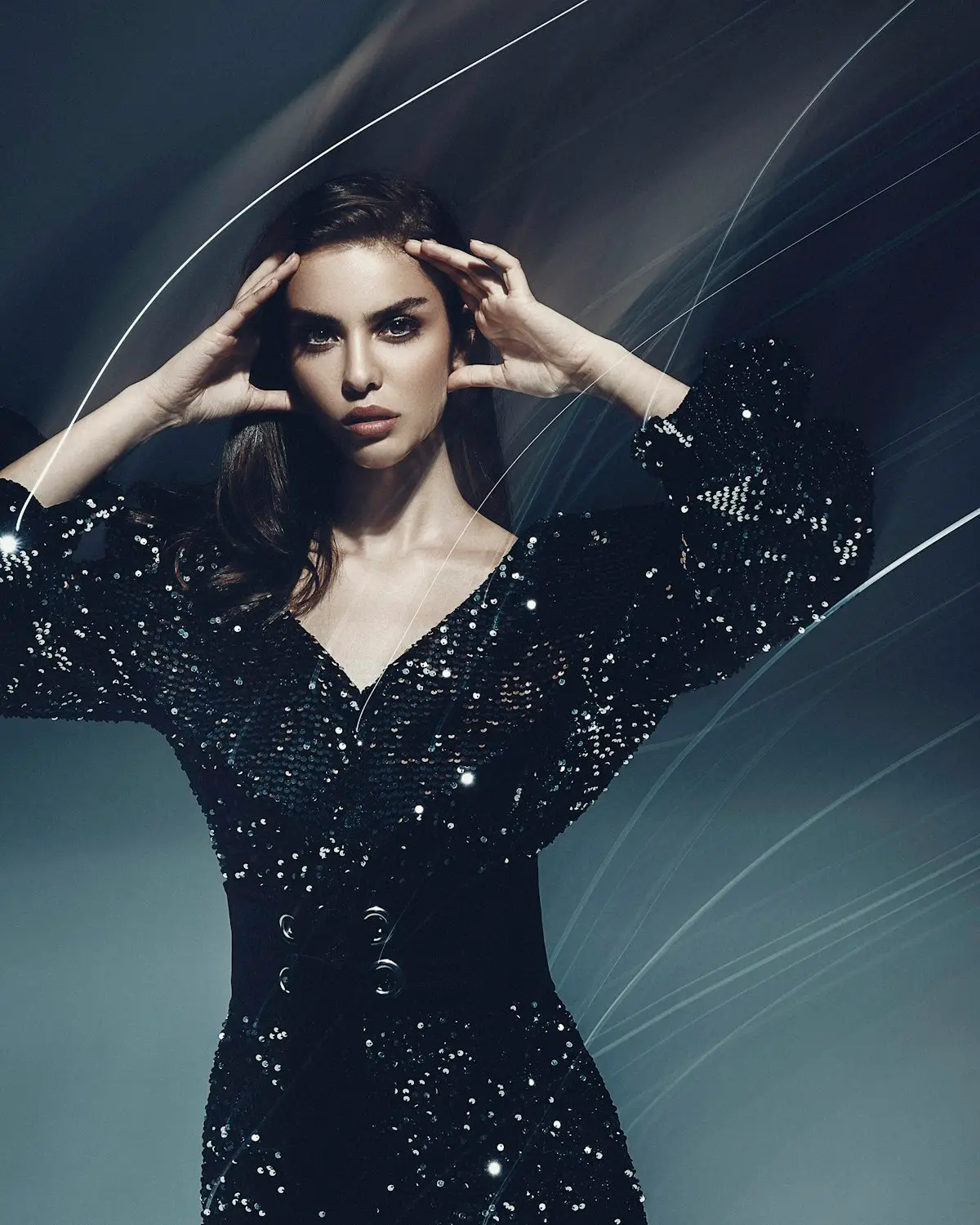
This guide is for adults aged 18 and over, CastLyra’s eligibility rule. It compares work and preparation rather than promising a route to employment. The photograph is illustrative stock imagery, not a CastLyra talent profile, client production or example of a paid booking.
Compare the job by its output
Use these distinctions to ask better questions, rather than treating the categories as mutually exclusive qualifications:
- Runway: garments are presented live. Ask about the walk, turns, rehearsals, running order, footwear and changes between looks. A still portrait does not demonstrate timing on a runway.
- E-commerce: the output helps a customer see a product’s fit, movement or details. Ask for the product list, required views, pace, continuity and whether the brief includes video.
- Commercial advertising: a person appears within a brand’s message or situation. Ask whether the job needs still poses, expressions, dialogue or acting; a campaign may involve several of these.
- Editorial and fashion imagery: a visual story or creative direction shapes the work. Ask for the concept, mood reference, styling and intended publication. “Editorial” does not settle the payment or image-use terms.
- Parts or fitting work: the task focuses on a detail or on how a sample fits. Establish the exact action or sample requirement and share only measurements relevant to it.
The US Bureau of Labor Statistics describes both photographic advertising and runway presentation within modelling. That US occupational overview is a useful reference, not a universal casting specification or a forecast of demand in Türkiye, the UK or another market.
Separate appearing in content from producing it
A model appearing in a product clip is not necessarily responsible for planning, filming and editing that clip. A UGC creator’s scope may include an idea, script, recording, edit and delivery of multiple versions. Publishing to the creator’s own audience or granting advertising access is a further item to agree, not something to assume.
Similarly, a scripted role may need an actor and performance evidence. Ask who supplies the script and direction. Compare the model preparation guide, UGC creator guide and actor casting guide before choosing the relevant category. You can prepare evidence for more than one discipline without claiming experience you do not have.
Build a small evidence set for your first direction
Choose one or two kinds of work you want to explore. Follow the recipient’s actual instructions; the following are preparation examples, not compulsory requirements for every agency:
- For product modelling, practise a repeatable front view, side view and turn in a simple, fully clothed outfit. Keep the item visible instead of changing pose dramatically for every frame.
- For runway, record a clear walk and turn only if requested. Check that the full body and shoes remain visible and that you have a safe space to move.
- For an expression-led commercial, select a short relevant scene or range of expressions. If dialogue is requested, intelligible sound matters.
- For UGC, show a sample with an understandable idea and delivery, and identify which parts you created yourself.
Add current straightforward application photos. Label practice work honestly and share only images or clips you are allowed to show. A starter portfolio does not need an invented client credit. See the application-photo checklist for framing and file preparation.
Read requirements without turning them into a universal rule
A garment sample, staging arrangement or product action may create a particular requirement. Ask why it matters and how it is measured. Do not assume one height, body size, age range or camera style applies across every type of work. Keep measurements accurate, include units where requested and discuss fit privately.
Do not change your body rapidly to match an unsolicited offer. If a sample is painful or restricts movement, tell the production contact. A client’s decision about one brief is not a reliable judgement of your future prospects across all modelling work.
Compare a booking’s scope before its headline fee
Write down preparation, fitting, shoot time, overtime, travel, expenses, cancellation and the payment due date. Then separate where the work may appear: channels, countries, duration, paid advertising, edits, renewals and any exclusivity. Ask who supplies wardrobe, who approves the final scope and whom to contact on set.
For UK copyright material, GOV.UK explains that licences can be limited by purpose, time and place. Copyright permission and a model’s appearance agreement may involve different people and rights. This is not a ready-made contract or legal advice; obtain advice for the relevant country and proposed use, including any synthetic likeness or AI use.
Keep expectations realistic and check the offer
No category guarantees regular work or a particular income. The US occupational overview describes unpredictable schedules, and the US FTC warns about guaranteed work, large earnings promises, pressure to sign and money demanded to secure a modelling job. These are US sources; they do not establish a legal rule for every overseas agency arrangement.
Verify the company through an independent contact channel, obtain the location and terms in writing and pause when the brief changes unexpectedly. Do not send bank logins, intimate photographs or identity documents to an unverified contact. The casting-scam checklist gives further verification questions.
Take one next step
For talent, organise evidence for the role you can demonstrate, then use the application step in the model category guide. Applying does not guarantee approval, representation or a booking. For brands, use the brief step on that same category page after writing down the task, schedule and usage scope. The directory may have no published profiles yet; the guide is not a claim of available talent.
Sources and editorial note
Sources checked 30 October 2026: US Bureau of Labor Statistics: Models; GOV.UK: copyright use and licensing; US FTC: modelling scams. Preparation examples are CastLyra editorial suggestions, not mandatory industry standards or fee statistics.
Prepared by CastLyra with AI-assisted writing and source review. No named outside industry expert or legal reviewer is claimed. Country-specific guidance is identified above; it is not legal advice.
- modelling
- runway
- careers
Updated: