Modelling
How to become a model: photos, applications and your first booking
An adult beginner’s checklist for model application photos, agency checks, casting preparation, written booking terms and safe first shoots.
By CastLyra · · 6 min read
Becoming a model starts with a clear application and a realistic understanding of the work. You do not need to promise a dramatic transformation or buy a large portfolio before you know what a casting actually requests. You need current photographs, accurate information and a way to check the people offering the work.
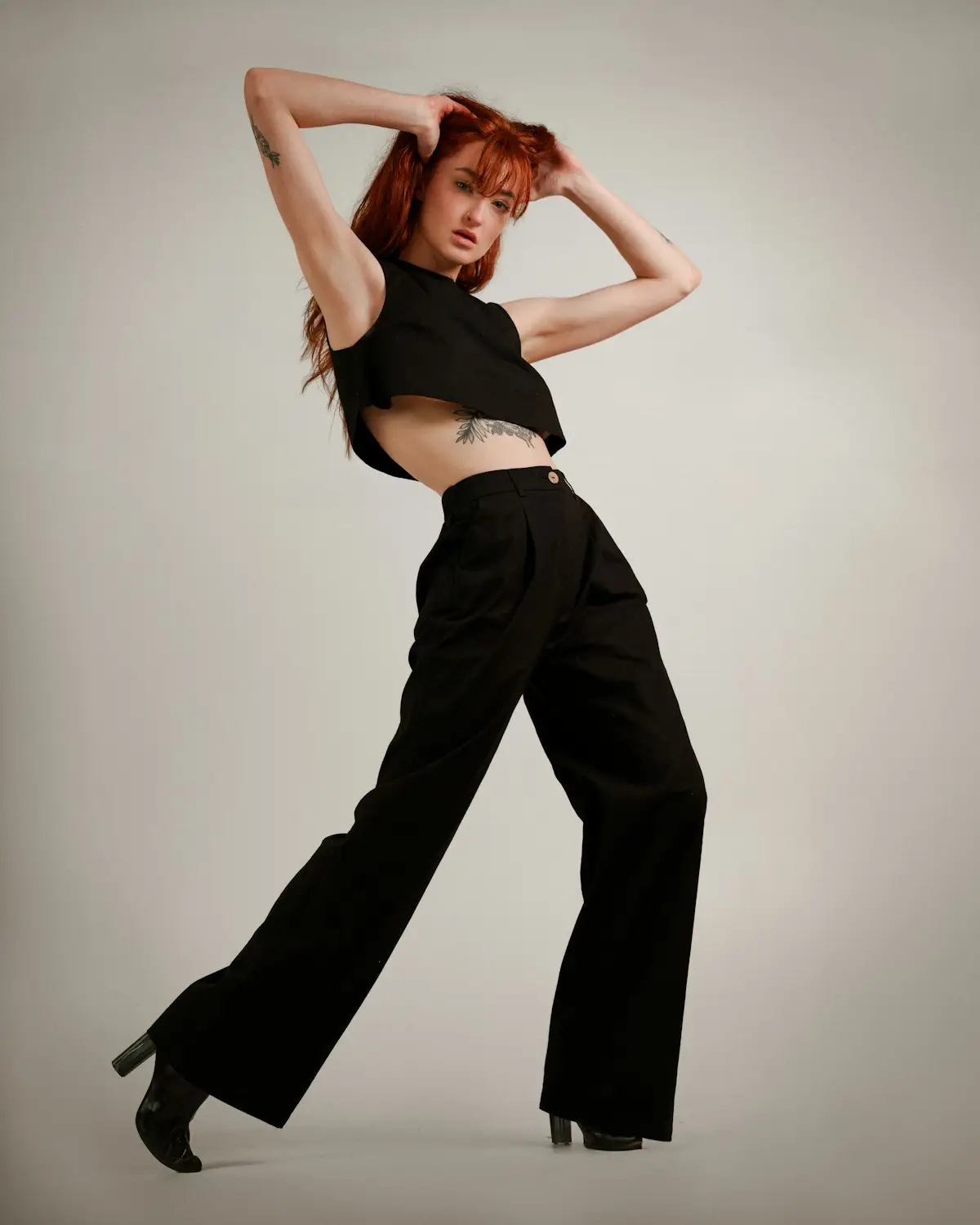
This guide is for adults starting out. CastLyra accepts talent applications from people aged 18 and over; that is the platform's eligibility rule, not a claim about every country's employment law. The cover is an illustrative stock photograph, not a CastLyra talent profile or client shoot. Applying does not guarantee representation, selection or paid work.
Choose a starting direction
An e-commerce model helps show a garment's fit and details on a product page. A commercial campaign may require an expression, activity or character that fits a specific brief. Fashion and runway work can have particular sample or presentation requirements. Parts modelling focuses on details such as hands. UGC creation can include scripting, filming and editing, so it is not interchangeable with appearing in a photograph.
Start with one or two directions you can demonstrate. For a product shoot, practise a front view, turn and pause while keeping garment details visible. For an acting-led commercial, follow the requested short performance. There is no universal set of body measurements or reliable promise of regular bookings across these roles. Check the actual brief and the model category preparation guide.
Build a first application photo set
Read the recipient's current instructions before taking pictures. For a simple starter set, the following is a practical suggestion, not a universal agency rule:
- A clear portrait facing the camera, with the face visible.
- A profile view, with the head in a natural position.
- A full-length front view showing the complete outfit and shoes.
- A full-length side view, if requested, and a natural smiling portrait.
Use even daylight, an uncluttered background and a stable phone or camera. Choose simple, fully clothed outfits you are comfortable wearing. Avoid filters and body-shaping edits. Check focus at full size and leave enough space around the head and feet. A fashion pose can demonstrate expression, but it should not replace the straightforward views the recipient requests.
Keep originals and label files clearly without including identity-document numbers or a home address. Ask for the official upload route and check who receives the images. Do not send intimate photographs to someone claiming they are needed to unlock a normal application. See the application photo checklist for more detail.
Prepare accurate information without oversharing
Keep your location, availability, clothing and shoe sizes current. Where measurements are relevant, record the units and date and follow the recipient's measurement instructions. Size labels differ between brands; an honest update is more useful than trying to match an assumed ideal. Do not make rapid body changes to fit an unverified offer.
An initial enquiry is not a reason to send a passport, bank login, payment-card details or a full home address through an unsolicited message. A genuine later booking may require specific administrative information; first verify the organisation, why it is needed and the secure channel. Avoid putting private contact details in photographs or a public portfolio.
Understand the route: agency, platform and direct booking
An agency may offer representation under a contract. A platform may collect applications or help discovery. A brand may book someone directly. Ask what the service actually does, who negotiates a booking and who is responsible for payment. A directory listing is not the same thing as representation or a confirmed assignment.
Separate a proposed representation agreement, an optional photography service and a specific paid job. Ask for any commission, deduction or charge in writing, including when it becomes payable. Do not treat a fee's presence or absence as proof that an organisation is genuine. Rules differ by country; if terms are unclear, seek local independent advice before committing.
Check an offer before travelling or paying
Find the company's contact independently rather than relying only on the account that messaged you. Confirm the person, address, production date and purpose through that channel. A familiar brand name or professional-looking social profile alone does not verify a casting.
The US Federal Trade Commission flags guaranteed jobs or income, pressure to sign quickly and requests for money to secure modelling work. Its advice is US consumer guidance, not a worldwide agency-fee law. These signals justify stopping and checking an offer; no single checklist proves every offer safe. Do not pay to reserve an alleged job or send more documents while an identity check remains unresolved. The fake casting guide provides further checks.
Agree a written brief for the first booking
Before accepting, ask for the following in writing. This is a discussion checklist, not a ready-made contract:
- Work: still photographs, video, spoken lines, fittings, number of looks and expected preparation.
- People and place: production contact, team, exact location, call time, planned finish, breaks and changing arrangements.
- Money: currency, session fee, any deductions, expenses, overtime, cancellation, invoicing and payment due date.
- Use: channels, countries, duration, paid advertising, third-party use and any exclusivity.
- Boundaries: clothing coverage, physical adjustments, access needs and a named route for raising a concern.
Ask separately about AI training, synthetic alterations or digital replicas if proposed. Do not assume a stills booking includes these uses or posting on your own social account. UK government copyright guidance explains that permissions can have limited scope. Copyright in a photograph and permission concerning a model's image or performance involve different rights and parties. Applicable rules depend on the country; obtain local legal advice for an agreement or dispute.
Make the first shoot manageable
Confirm the call sheet and transport before setting out. Share the schedule and contact with someone you trust. Bring only agreed items; ask about hair, makeup and footwear rather than spending on an assumption. Rehearse following a short direction and returning to a marked position. Tell the team if a sample hurts or restricts movement.
If the agreed wardrobe, location or activity changes, pause and discuss it. You can ask for a private changing space and decline an unexpected request. A portfolio test also needs clear agreement on expenses, image delivery and where each party can use the photographs. Use only images you have permission to publish; participation in a shoot is not automatic permission for every portfolio use.
Your next step
Review the model category checklist, then use its adult talent application step when your photographs and information are ready. Brands can use the brief route on the same page. Keep an application log, update stale photographs and assess each offer on its actual terms. Silence or rejection from one casting is not a reliable verdict on all future work.
Sources and editorial note
Reviewed 23 October 2026: US Federal Trade Commission: modelling scams; UK government: copyright permissions and licences. Country-specific guidance is labelled above. Preparation examples are editorial suggestions, not legal advice, a fee tariff or a report of CastLyra bookings.
By CastLyra. AI assisted the drafting and source review; no named industry expert or external legal reviewer is claimed.
- modelling
- beginners
- safety
Updated: